Plum
Plum Fruit Trees
Plums are one of the first trees to bloom in the spring, providing a welcome display in the otherwise dead landscape. The fruit that follows is popular and nutritious for eating and cooking. Proper pruning and removal of suckers will keep the plum from taking over your garden and give you many years of pleasure.
Thin plums when the fruit begin to form. Thinning the fruit will encourage larger fruit development and help protect the branches from breaking. If branches appear overloaded as the fruit begins to grow, you may need to prop up branches for extra support.
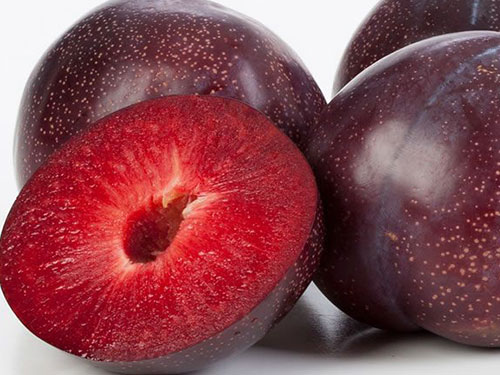
The fruit is often eaten raw, though some varieties are better used in baking or other cooked uses. They’re one of the few fruits that are commonly dried commercially, at which point they are known prunes. They have vitamins C and A, and dietary fiber as well.
For a tree, plums grow fairly small and work particularly well in the small backyard. To get the best fruit crop, you should plant at least 2 plum trees to get good pollination.


