Black Pepper
Black Pepper
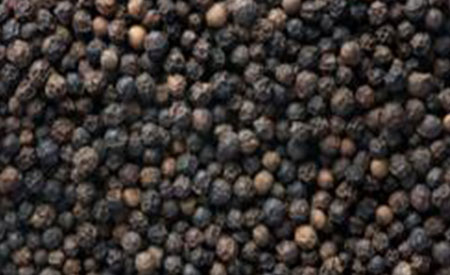
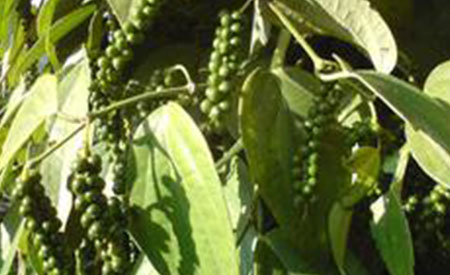
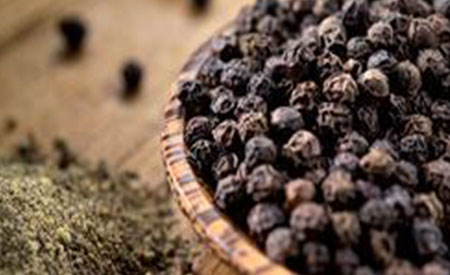
Black pepper is the most commonly used spice in the world and, paired with salt, is found on most tables in the U.S. The plant that it comes from, common pepper (Piper nigrum), has been cultivated in India for more than 2,000 years for culinary uses. Today, most pepper is imported from India, Sumatra, Japan, Borneo, and the Philippines. Pepper enthusiasts believe that Malabar produces the best pepper.
Prior to planting the seeds, soak them overnight to soften the seed coats. Plant the seeds ¼ inch deep in a rich, well-draining potting mix. Space the seeds three inches apart.
Once the seeds germinate, seedlings can be replanted when they stand four to six inches tall. If you live in a very warm climate, plant them directly outdoors in a protected location with partial shade. The plants need rich, moist, well-draining soil and warm, humid conditions. Peppers can’t tolerate temperatures below sixty degrees. Bring plants indoors or wrap them in a blanket if colder weather threatens.
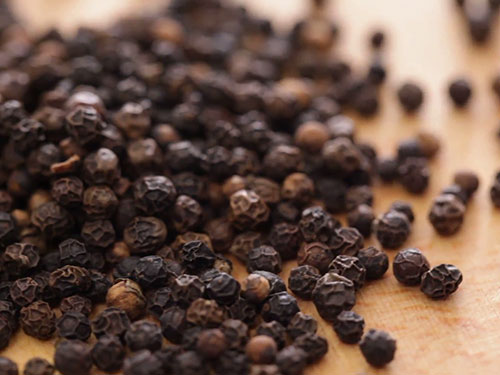
They are usually harvested just as they reach the red stage. Once harvested, the red peppercorns are separated and dried, either in the sun or in a food dryer for about three days. The process is complete when the peppercorns are blackened and fully dry. At this point, they can be ground as black pepper.